Fascinating History of American Apple Pie in 2025
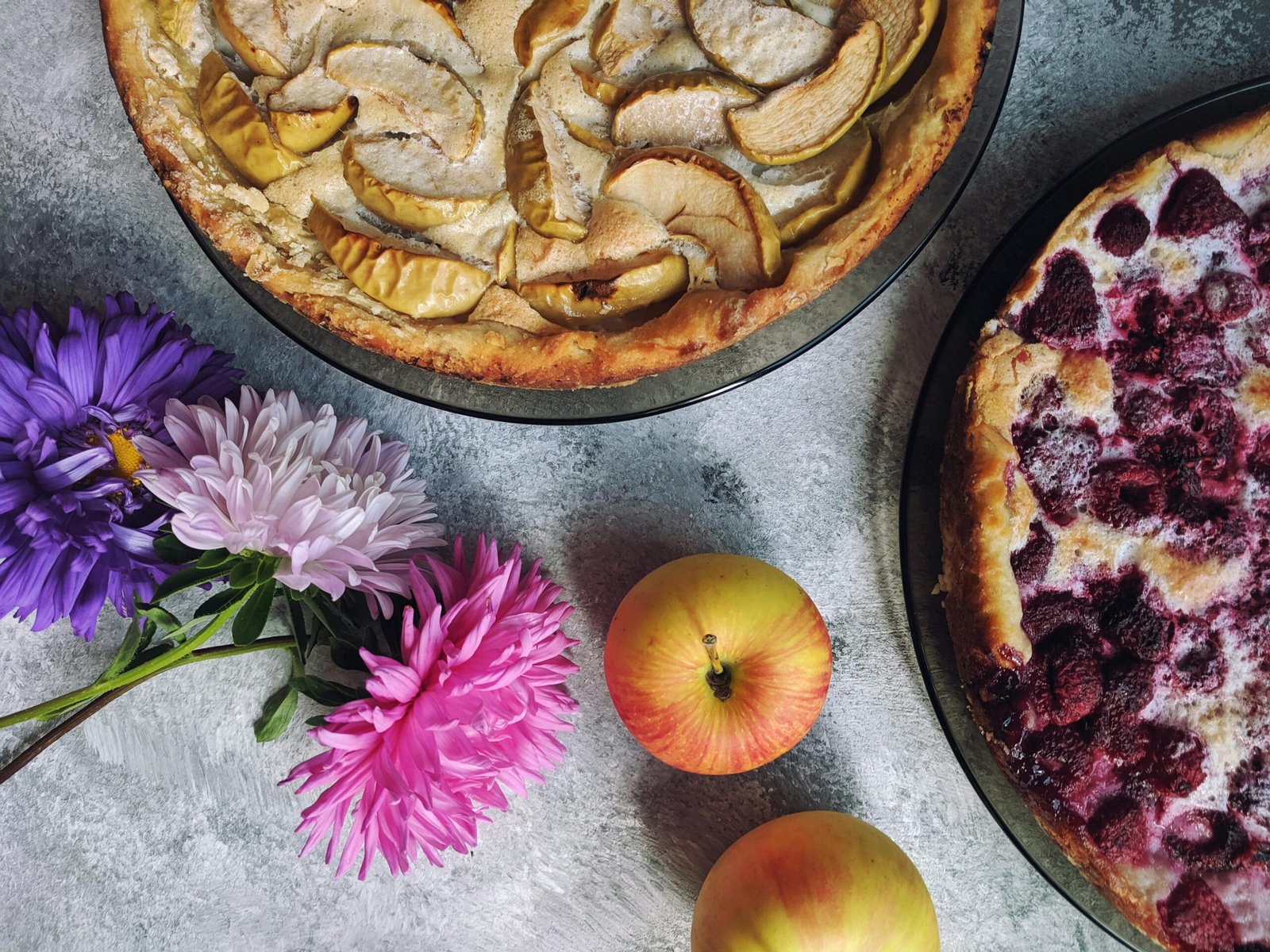
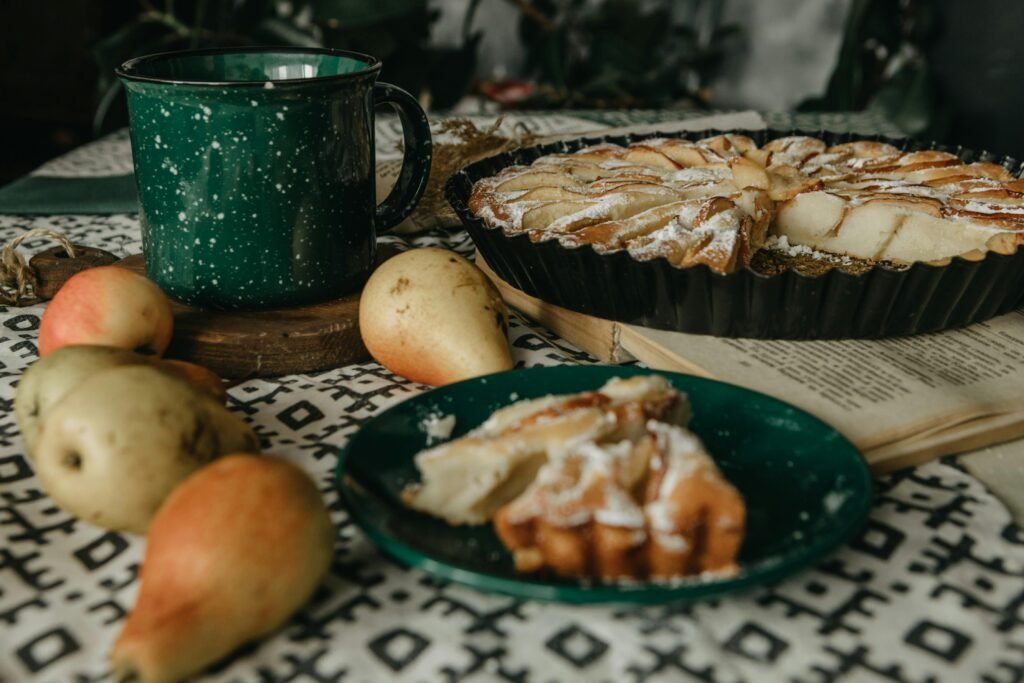
Apple pie is more than a dessert—it’s a warm hug of American tradition, evoking memories of family gatherings and holiday feasts. For food lovers in the USA and Canada, the history of American apple pie tells a captivating story of cultural roots, culinary evolution, and enduring love. From its colonial beginnings to its place on modern tables, this iconic dish has woven itself into the fabric of American life. At Nexis Cooking, we’re peeling back the layers of American pie traditions to explore how this pie became a symbol of home. Whether you’re in New England or the Pacific Northwest, the history of American apple pie is a delicious journey worth savoring. Let’s dive into its rich past!
Colonial Origins of Apple Pie
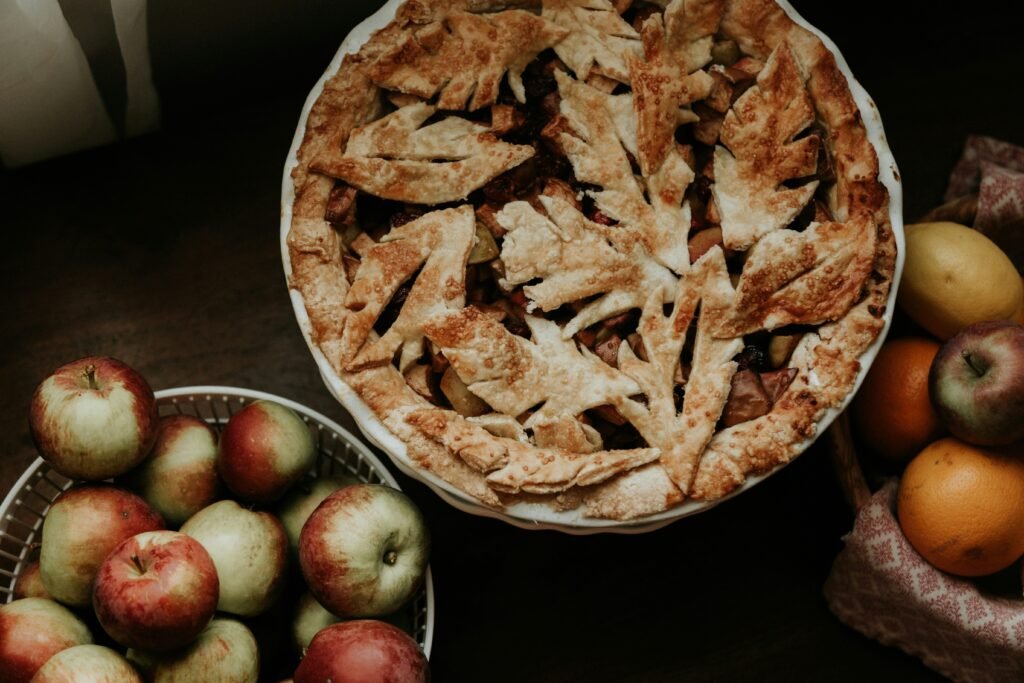
The history of American apple pie begins in the 1600s with European settlers. English and Dutch immigrants brought pie recipes to the American colonies, adapting them to local resources. Apples, abundant in New England, became a staple, preserved through drying or cider-making. Early pies were rustic, often combining apples with suet or meat, baked in crude ovens. By the 1700s, apple pie was a household favorite, as noted in colonial diaries. This classic apple pie story highlights how settlers transformed Old World traditions into a New World classic. To organize your baking ingredients like the colonists, explore our pantry guide.
Apple Pie as an American Symbol
In the 19th century, apple pie became a powerful symbol of American identity. Amelia Simmons’ *American Cookery* (1796), the first American cookbook, featured apple pie recipes, standardizing its place in homes. The phrase “as American as apple pie” gained traction, fueled by its presence in literature and media, from poems to early newspapers. During the Civil War, soldiers shared pie recipes, reinforcing its comforting role. This history of American apple pie reflects its deep ties to apple pie culture. For tips on spicing your pie like 19th-century cooks, see our spice guide.
Regional Variations Across America
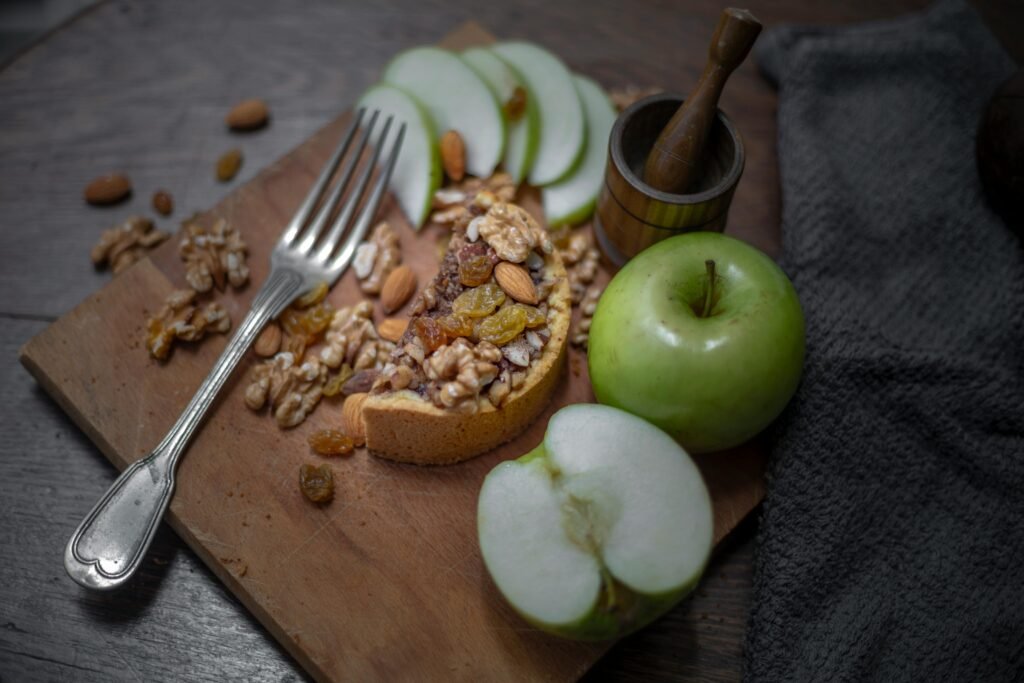
The American pie traditions shine through regional variations. In New England, tart Granny Smith apples pair with flaky crusts, sometimes topped with cheddar cheese—a nod to dairy-rich Vermont. Southern pies lean sweeter, using Golden Delicious apples and molasses. Midwest bakers add nutmeg for warmth, while Pacific Northwest pies may feature local Honeycrisp apples. These diverse takes enrich the history of American apple pie, showcasing local creativity. To make a regional crust, try tools from our kitchen tools guide.
Apple Pie in Modern Times
Today, apple pie is a star at Thanksgiving, Fourth of July, and county fairs across the USA. Modern bakers experiment with lattice crusts, caramel drizzles, or even vegan versions, yet the classic recipe endures. Pop culture keeps the pie alive, from TV shows like *Pushing Daisies* to apple pie festivals in places like Pie Town, New Mexico. The history of American apple pie shows its timeless appeal, blending nostalgia with innovation. For a quick pie-inspired dessert, try our quick recipes.
FAQs
When did apple pie become popular in America?
Apple pie took hold in the 1700s, becoming widespread by the 19th century through cookbooks and cultural references.
Why is apple pie considered American?
Its adoption in colonial homes, use of local apples, and symbolic role in literature made it an American icon.
What are some regional apple pie variations?
New England pairs tart apples with cheddar, the South uses sweet apples, and the Midwest adds nutmeg for depth.
How can I make a quick apple pie at home?
Use pre-made crusts and a food processor for fast prep. Find top tools in our kitchen gear guide.
Conclusion
The history of American apple pie is a heartwarming tale of tradition, adaptation, and cultural pride. From colonial hearths to modern festivals, this classic apple pie story captures the essence of apple pie culture. Bake your own pie to celebrate its legacy and share the joy with loved ones. For more food stories and tips, explore our spice guide or join the conversation at Nexis Cooking!